


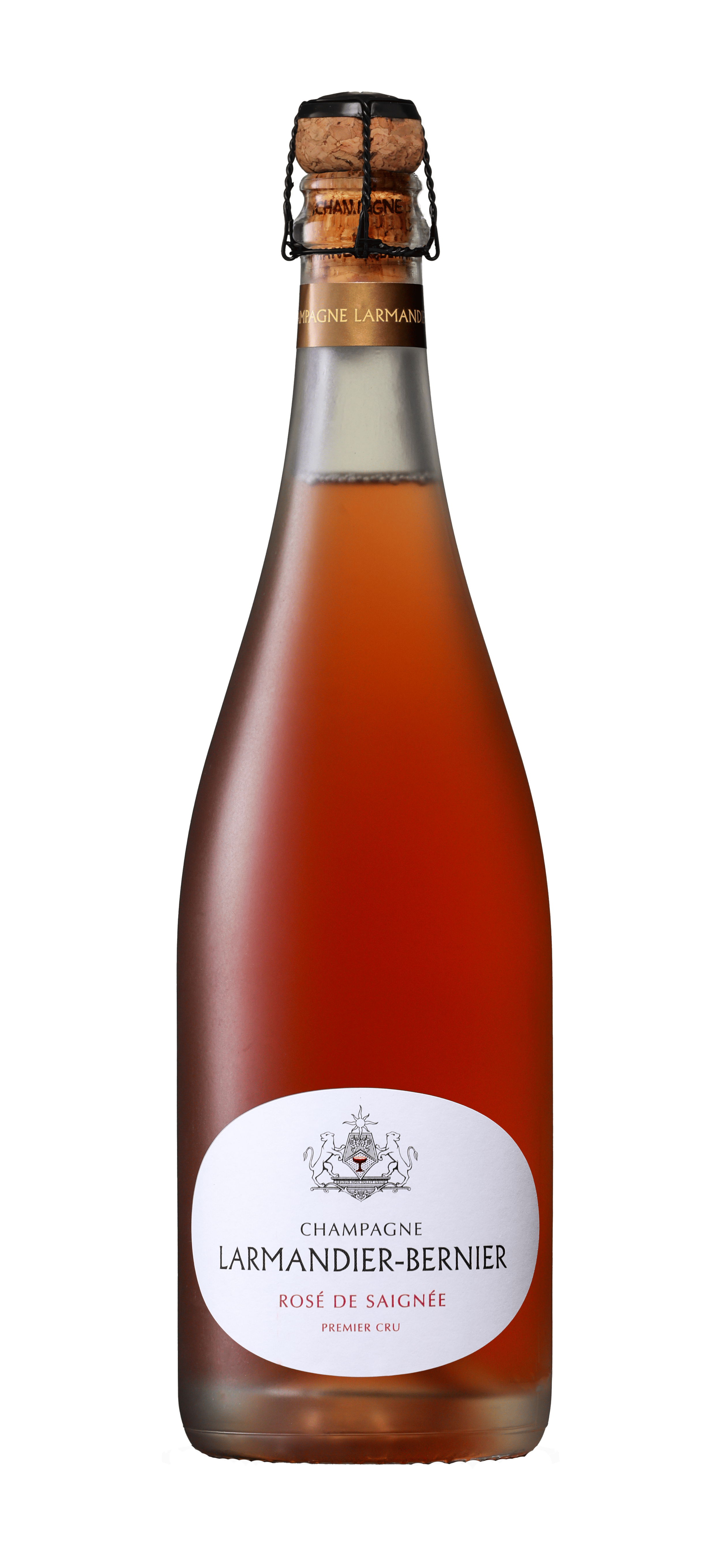
Pinot noir and pinot grisgrapes are selected on asorting table, partially destemmed and thenmacerated for 2 to 3 days. After that, come thespontaneousalcoholic fermentation (indigenousyeasts) in abig Foudre from Stockinger, themalolactic fermentation and then the maturationon the lees for nearly a year. Thebottlingis carriedout at the end of July.
The wine is aged for at least another 2 years in thecellars, and the bottles are disgorged 6 monthsbefore being marketed with a discreet dosage of2g/L
Larmandier-Bernier Rosé de Saignée
APPELLATION
AOC Champagne Premier Cru
PRODUCTION
Contact us
GRAPE VARIETY
Pinot Noir
ÂGE OF THE VINE
~45 to 50+ years old on average
SOIL
Complex soil with clay, limestone, and shallow Campanian chalk
SIZE
~0.8 to 1 hectare
VITICULTURE
Biodynamic
VINEYARD’S ORIENTATION
South-East
Larmandier-Bernier others cuvées
-
![Larmandier-Bernier Terre de Vertus]()
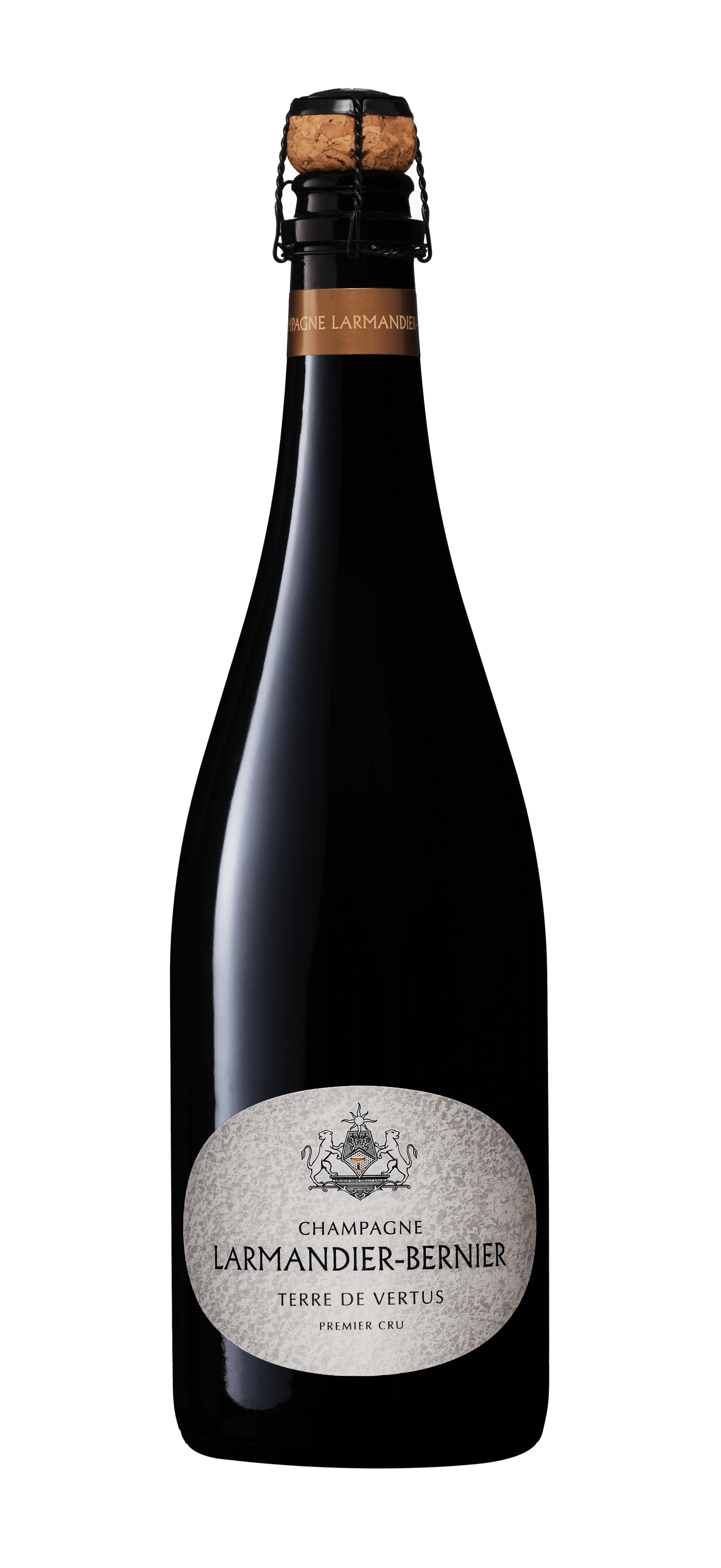
Larmandier-Bernier Terre de Vertus
The natural alcoholic fermentation (indigenous yeasts) and the malolactic fermentation begin spontaneously in the Stockinger wooden vats and casks. The wines are matured on the natural lees during their first year, with no filtering or fining being carried out.
The bottling takes place at the end of July and there is no blending with other years – this is a vintage Champagne – or with other terroirs – this is a single-parcel cuvée.
The bottles are taken down into the coolness of the cellars. The second fermentation takes place and maturation ‘on laths’ goes on for at least 5 more years. Each bottle is disgorged by hand 12 months before being marketed. This wine is zero dosage (no sugar added) so as to respect throughout its purity.
-
![Larmandier-Bernier Longitude]()
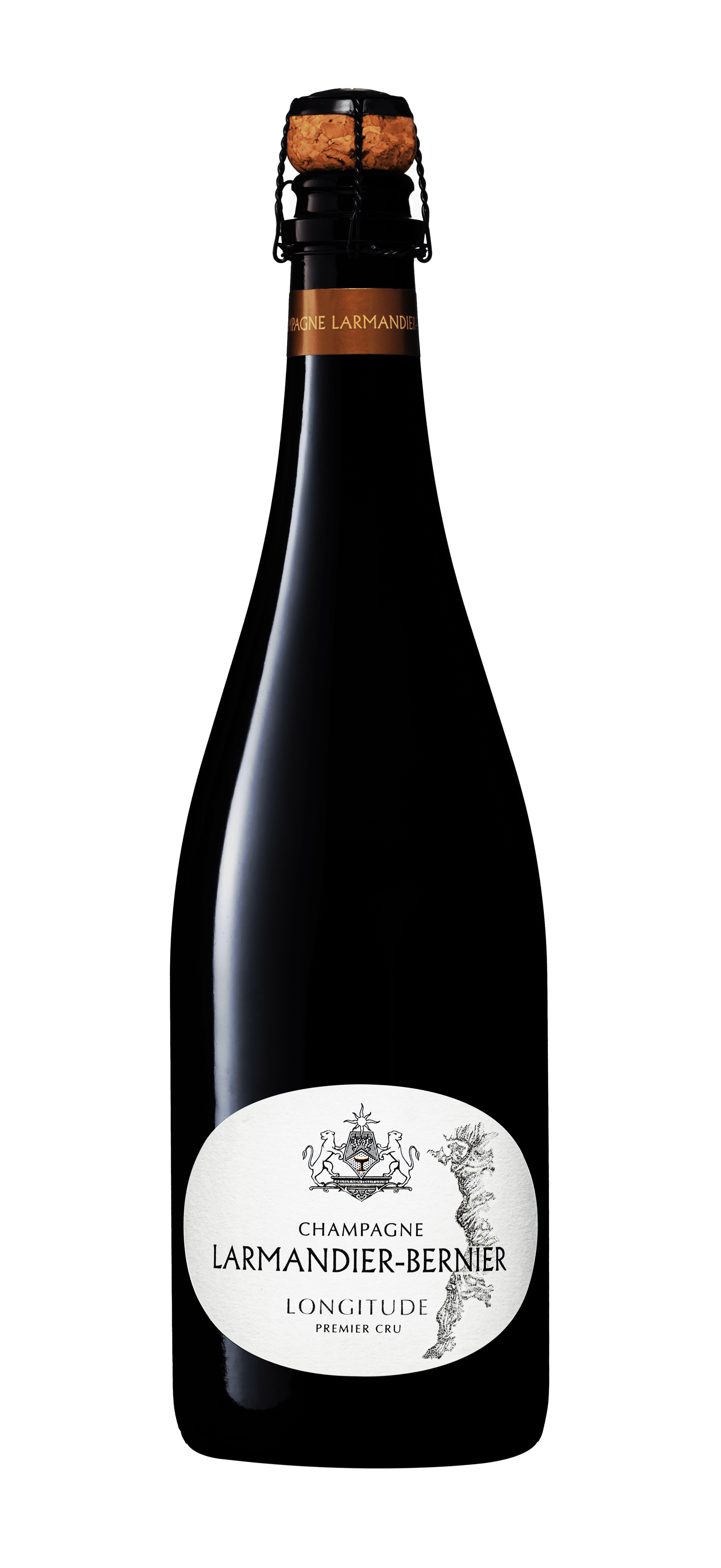
Larmandier-Bernier Longitude
The grapes are pressed gently, the juices are clarified very slightly and then go directly into wood. The natural alcoholic fermentation (indigenous yeast) and the malolactic fermentation begin spontaneously in Stockinger wooden vats and casks.
The wines are matured on their lees during the first year with no filtering or fining. The blending and the bottling are carried out at the end of July.
The bottles are then taken down into the coolness of the cellars, where the second fermentation and the maturation "on laths" quietly take place during 3 more years. Each bottle is disgorged by hand 6 months before being marketed. The dosage is 2 g/l.
-
![Larmandier-Bernier Latitude]()
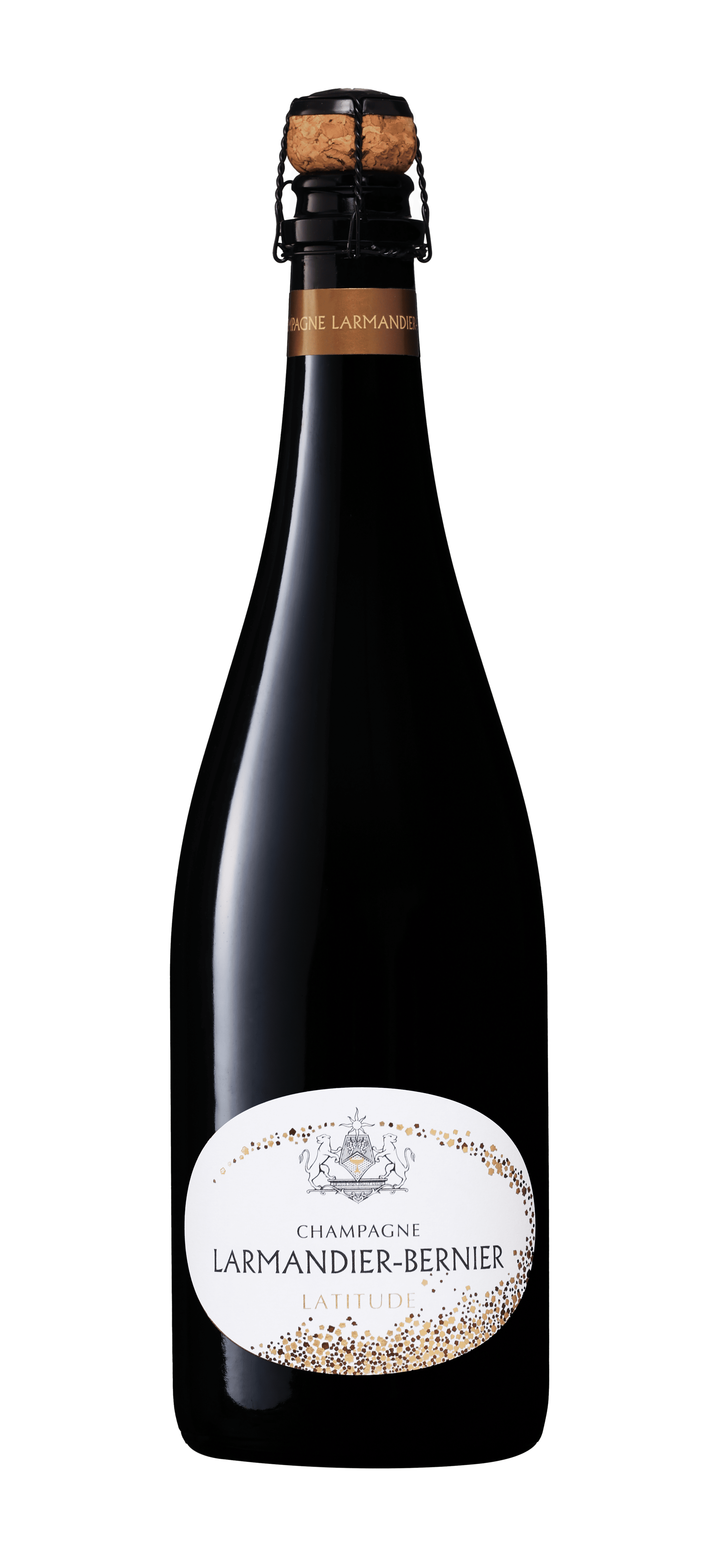
Larmandier-Bernier Latitude
The grapes are pressed gently, the juices are clarified very slightly and then go directly into wood. The natural alcoholic fermentation (indigenous yeasts) and the malolactic fermentation begin spontaneously in the Stockinger wooden vats and casks.
The wines are matured on the lees during their first year, with no filtering or fining being carried out. The blending and the bottling are carried out at the end of July.
The bottles are taken down into the coolness of the cellars, where the second fermentation takes place and maturation “on laths” goes on for at least two more years. Each bottle is disgorged by hand 6 months before being marketed. The dosage is only 2 grams/litre (extra brut!).
-
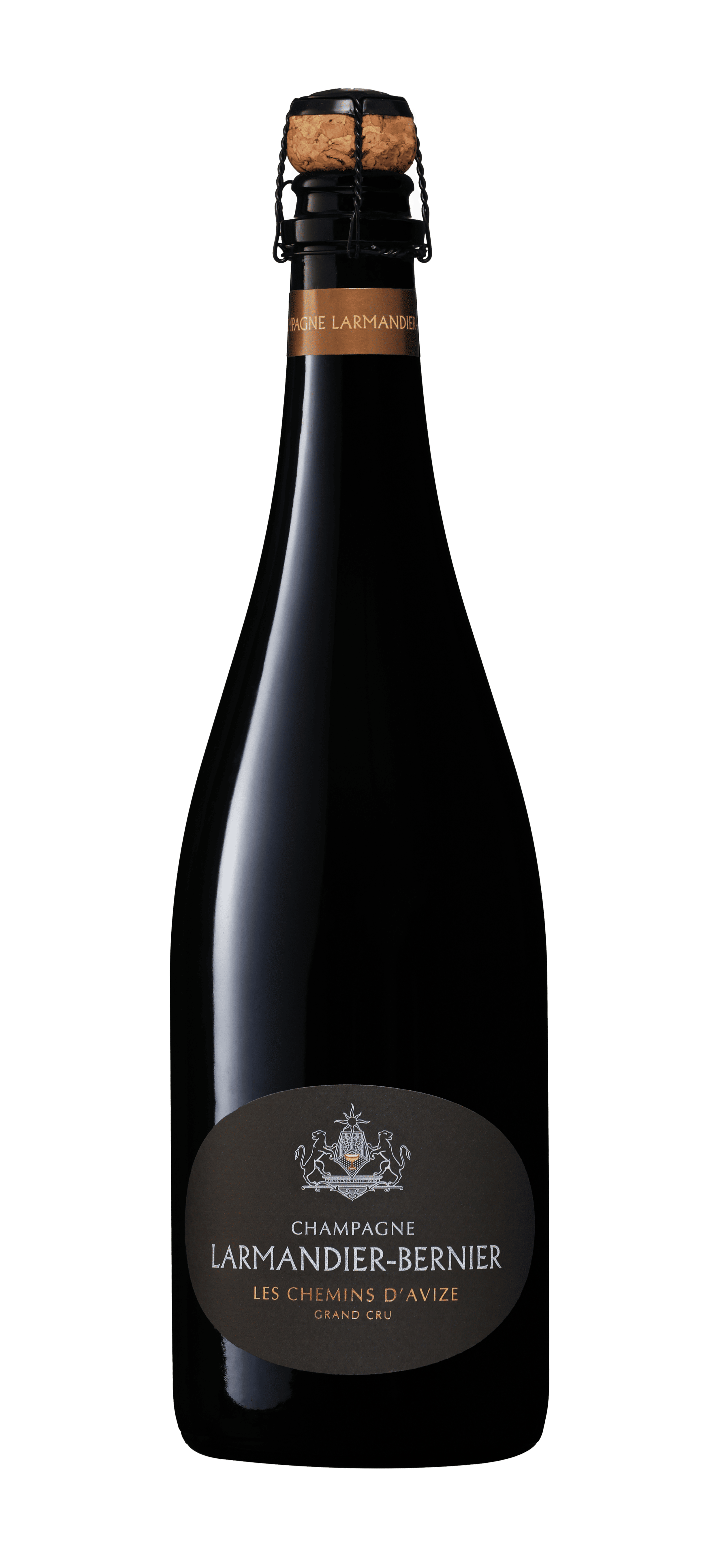
![Larmandier-Bernier Les Chemins d’Avize]()
Larmandier-Bernier Les Chemins d’Avize
The grapes are pressed gently, the juices are clarified very slightly and then go directly into wood. The natural alcoholic fermentation (indigenous yeasts) and the malolactic fermentation begin spontaneously in the Stockinger casks and vats.
The wines are matured on the lees during their first year, with no filtering or fining being carried out. The bottles are taken down into the coolness of the cellars and stacked on lattes; the second fermentation takes place and the maturation continues slowly for 7 more years.
Each bottle is disgorged by hand 12 months before being marketed. The dosage is only 2 g/L (extra brut).
-
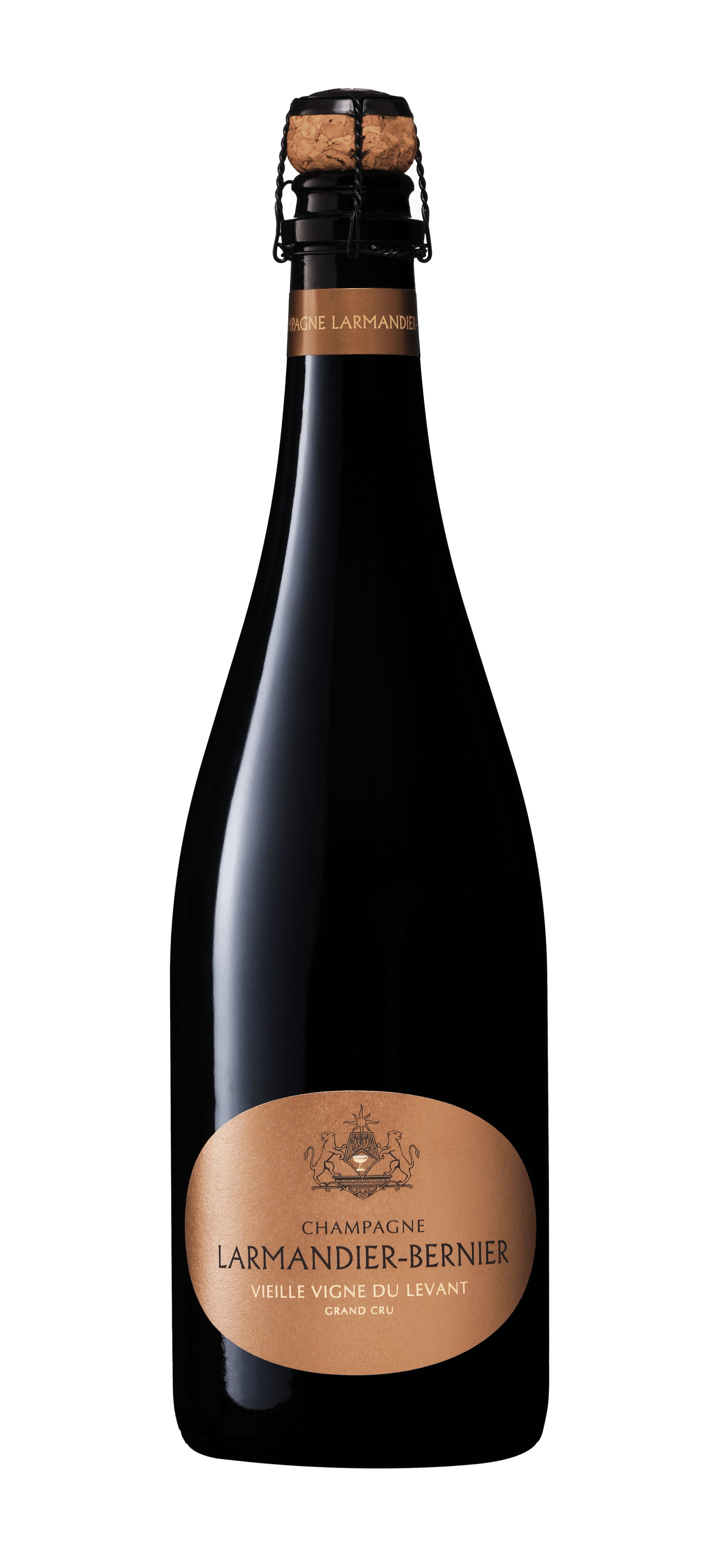
![Larmandier-Bernier vieille Vigne du Levant]()
Larmandier-Bernier vieille Vigne du Levant
The natural alcoholic fermentation (indigenous yeasts) and the malolactic fermentation begin spontaneously in the Stockinger wooden vats and casks. The wines are matured on the lees during their first year, with no filtering or fining being carried out.
The bottling takes place end of July. There’s no blending with other years – this is a vintage Champagne – and no blending with other terroirs – this is a single-parcel Champagne.
The bottles are taken down into the coolness of the cellars and stacked on lattes; the second fermentation takes place and the maturation continues slowly for 9 more years. Each bottle is disgorged by hand 12 months before being marketed. The dosage is very discreet so as to appreciate better this well-balanced and extremely long cuvée (2 g/l).
Larmandier-Bernier
Côte des Blancs
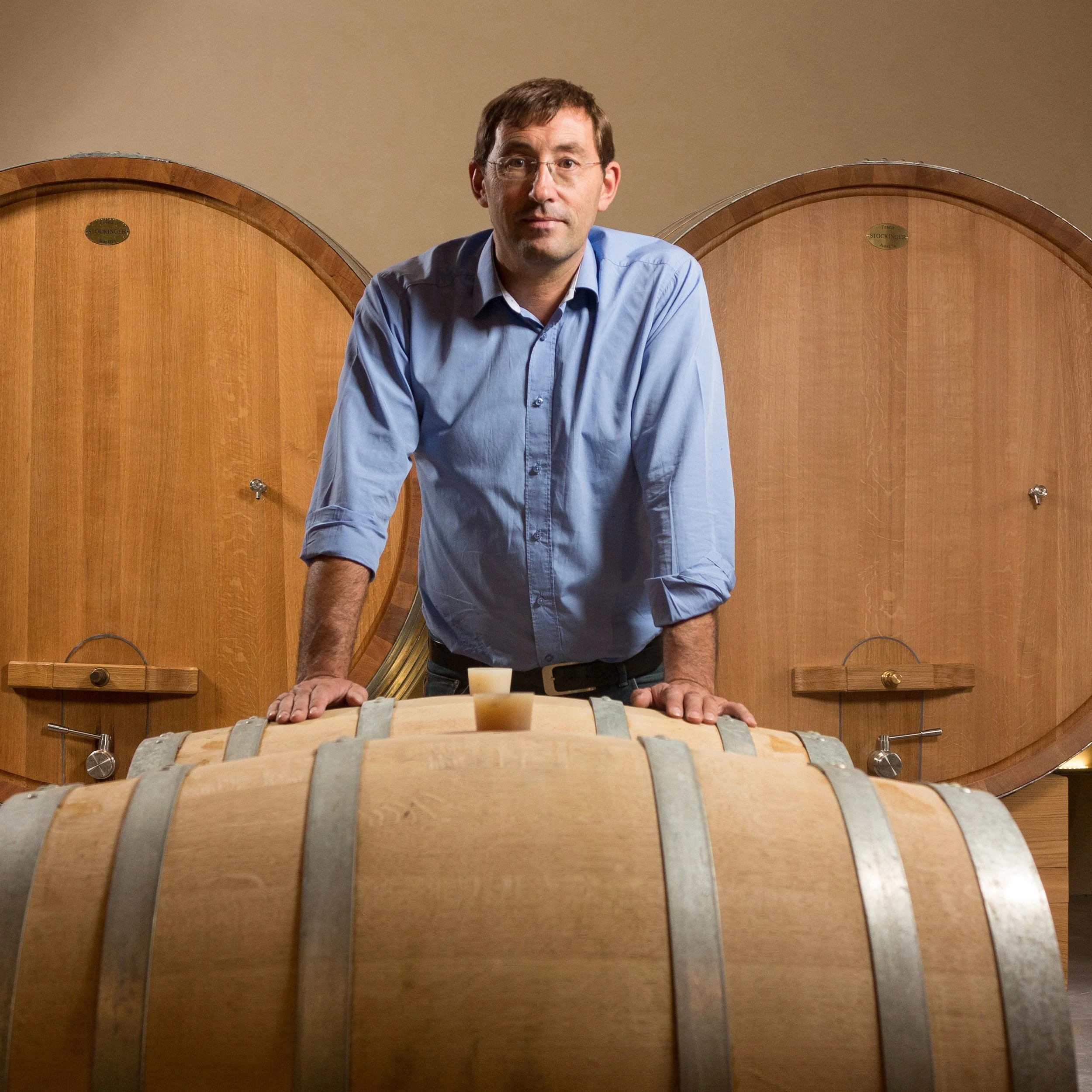
Since the 19th century, the LARMANDIER family have been cultivating their vines in the premiers and grands crus of the Côte des Blancs. Chalk is the keystone of these great terroirs. In the early 20th century, Larmandier was famous not only for its Champagne but also for its Cramant Nature (still wine).
Since 1988, Pierre dedicates himself to the domain. No more chemicals from 1992, biodynamic and native yeasts since 1999, organic certification in 2003, long élevage on lees in barrels and foudres, are some of Pierre's decisive choices. In 2017, driven by the same conviction, Arthur Larmandier joins his parents on the estate, followed by his brother Georges in 2021.